PLATON
PEOPLE POWER
31.05.–09.08.2026
PLATON
PEOPLE POWER
31.05.–09.08.2026
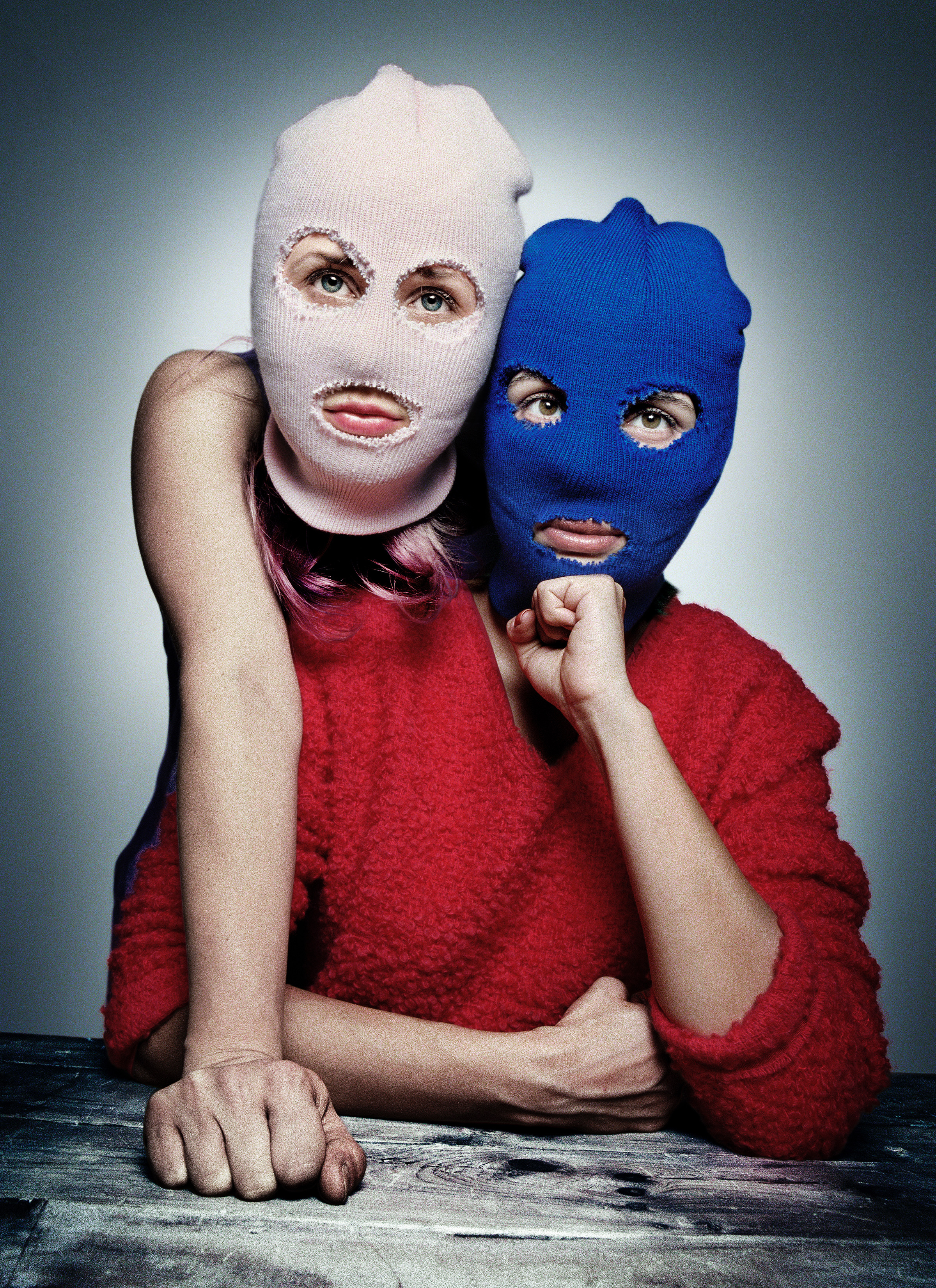
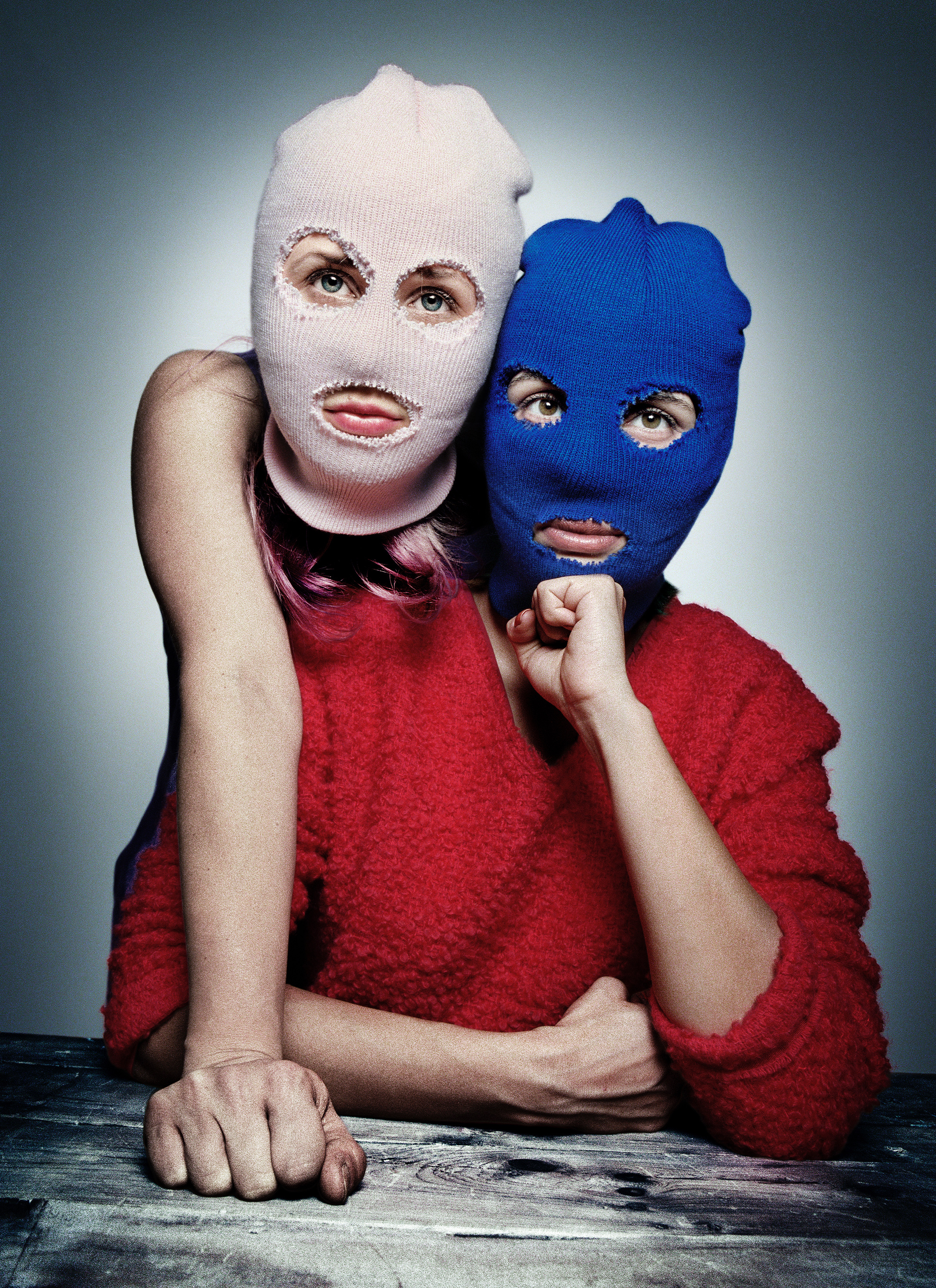
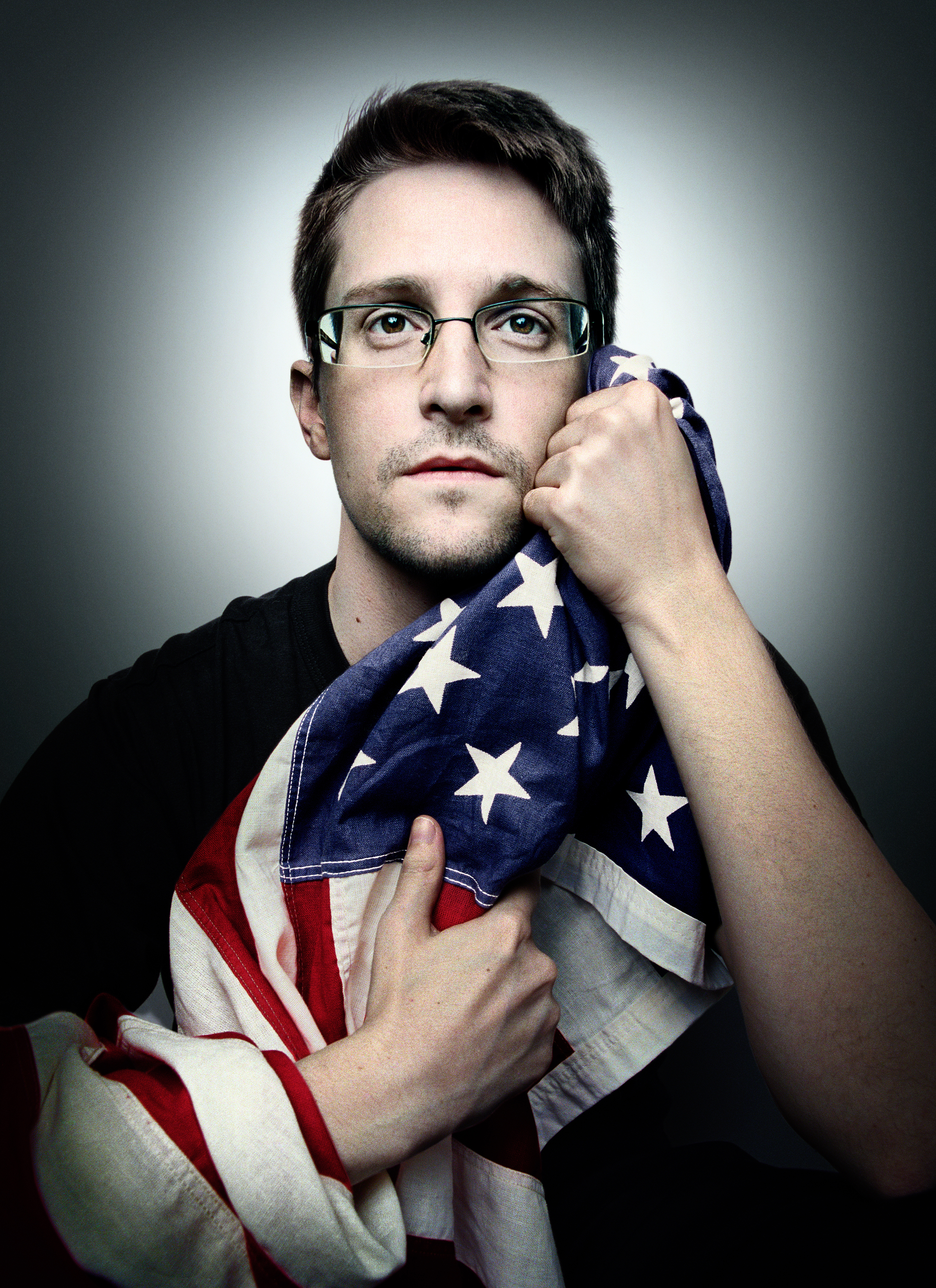
Platon is known for his iconic, psychologically penetrating portraits of political decision-makers, activists, artists, and influential figures of our time. For decades, his work has appeared in leading international publications such as The New Yorker and Rolling Stone. His images have appeared on the cover of TIME more than thirty times and have long shaped our visual understanding of power, responsibility, and humanity. PEOPLE POWER brings together his most outstanding portraits—from rulers and autocrats such as Vladimir Putin and Donald Trump, as well as former dictators like Muammar al-Gaddafi, to activists such as Pussy Riot, and prominent artists and pop icons like Prince, Adele, and Harry Styles. It is precisely this range that makes PEOPLE POWER so special. Platon approaches all his subjects with the same radical openness, whether heads of state or ordinary individuals: the faces of those portrayed become legible, and power is not glorified but questioned. Speaking about his approach, Platon himself says: “One of the biggest things I’ve learned is to be really honest with people. It’s a great risk, but if you are sincere and have the courage to reach out with an open hand, do it.” This credo shapes his intense encounters with politicians, superstars, and activists alike and runs as a defining signature throughout his work.
At the same time, the exhibition broadens its perspective: alongside portraits of global political leaders and international superstars, works from the series The Defenders enter into a compelling dialogue at WestLicht. Initiated in 2010 through a commission by the organization Human Rights Watch, this project led Platon over many years into conflict and crisis regions around the world—from the protests in Cairo during the Arab Spring to encounters with dissidents in Russia, as well as the American civil rights movement and activists at the U.S.–Mexico border. Central to Platon’s message is the idea that these everyday heroes, who take responsibility for others at great personal risk, are in no way inferior to political leaders, and that qualities such as influence, dignity, and inner strength do not arise from holding political office. Platon was born in London in 1968 and spent his childhood in Greece. He studied in London at Central Saint Martins College of Art and Design and at the Royal College of Art before fully turning to photography in the late 1990s. His portrait of Vladimir Putin appeared on the cover of TIME in 2008 and won first prize in the portrait category of the World Press Photo Contest. Another image from the same shoot, depicting the Russian president in the pose of a mafia boss, is considered one of his most famous and widely discussed works. From 2008 onward, Platon worked as a photographer for The New Yorker. During the United Nations General Assembly in September 2009, he photographed more than 130 heads of state and government within five days in an improvised studio at the UN building on the East River—an undertaking that remains unique to this day. Together with The New Yorker editor David Remnick, he published the acclaimed photo book Platon – Portraits of Power in 2011.
PEOPLE POWER offers a multifaceted and striking exploration of authority, power, and dignity, consistently placing the human being at its center. Although the photographs were taken in the 2000s and 2010s, their messages about courage and responsibility continue to resonate today, giving the exhibition a compelling contemporary relevance.
PLATON. PEOPLE POWER
31.05.–09.08.2026
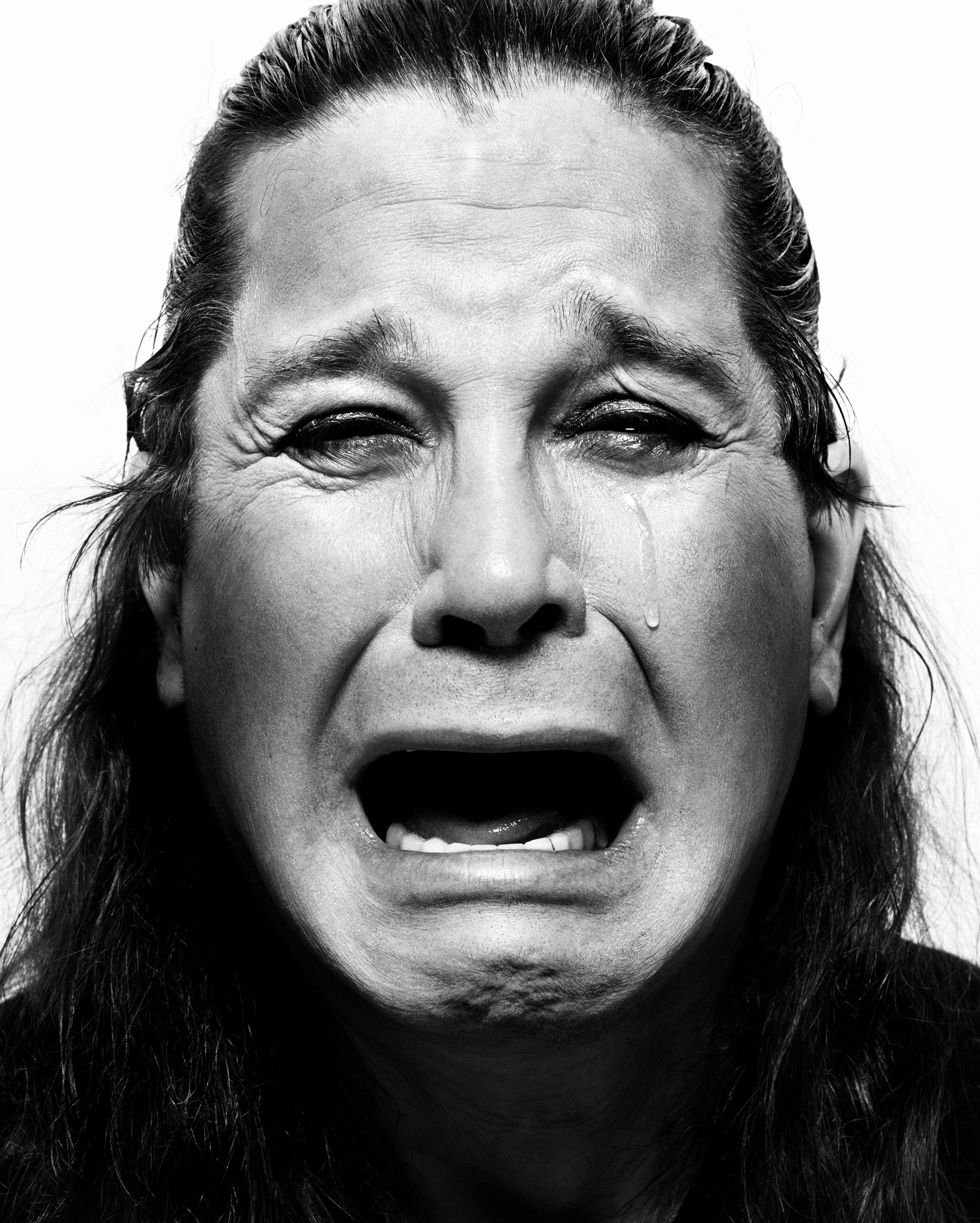
Platon ist bekannt für seine ikonischen, psychologisch eindringlichen Porträts von politischen Entscheidungsträger:innen, Aktivist:innen, Künstler:innen und wegweisenden Persönlichkeiten unserer Zeit. Seit Jahrzehnten erscheinen seine Arbeiten in internationalen Leitmedien wie The New Yorker oder Rolling Stone – mehr als dreißig Mal landeten sie auf dem TIME-Cover und zählen längst zu den Bildern, die unser visuelles Verständnis von Macht, Verantwortung und Menschlichkeit nachhaltig prägen. PEOPLE POWER versammelt seine herausragendsten Porträts – von Machthabern und Autokraten wie Wladimir Putin und Donald Trump oder früheren Diktatoren wie Muammar al-Gaddafi über Aktivist:innen wie Pussy Riot bis hin zu herausragenden Künstler:innen und Popikonen wie Prince, Adele oder Harry Styles. Gerade diese Bandbreite macht PEOPLE POWER so besonders. Platon begegnet all seinen Porträtierten mit derselben radikalen Offenheit, egal ob Staatslenker:in oder Mensch von nebenan: Gesichter der Porträtierten werden lesbar, Macht wird nicht glorifiziert, sondern hinterfragt. Über sein Vorgehen sagt Platon selbst: „One of the biggest things I’ve learned is to be really honest with people. It’s a great risk, but if you are sincere and have the courage to reach out with an open hand, do it.“ Dieses Credo bestimmt seine intensiven Begegnungen mit Politiker:innen, Superstars und Aktivist:innen gleichermaßen und zieht sich als prägnante Handschrift durch sein gesamtes Werk. Zugleich erweitert die Ausstellung den Blick: Mit den Köpfen der Weltpolitik und den Porträts internationaler Superstars treten im WestLicht Arbeiten aus der Serie The Defenders in einen spannungsvollen Dialog. Angestoßen 2010 durch einen Auftrag der Organisation Human Rights Watch entwickelte sich ein Projekt, das Platon über Jahre hinweg in Konflikt- und Krisengebiete auf der ganzen Welt führte – von den Protesten in Kairo während des Arabischen Frühlings über Begegnungen mit Dissident:innen in Russland bis hin zur amerikanischen Bürgerrechtsbewegung und zu Aktivist:innen an der Grenze zwischen den USA und Mexiko. Für Platon zentral ist dabei die Botschaft, dass diese Held:innen des Alltags, die unter größtem persönlichen Risiko Verantwortung für andere übernehmen, den Staatslenker:innen in nichts nachstehen und dass Qualitäten wie Einfluss, Würde und innere Stärke nicht aus politischen Ämtern erwachsen.
Platon wurde 1968 in London geboren und verbrachte seine Kindheit in Griechenland. Er studierte in London am Central Saint Martins College of Art and Design sowie am Royal College of Art, bevor er Ende der 1990er-Jahre vollständig zur Fotografie wechselte. Sein Porträt von Wladimir Putin erschien 2008 auf der Titelseite des Magazins TIME und wurde mit einem ersten Preis in der Kategorie Porträt des World Press Photo Contest ausgezeichnet. Ein weiteres Bild aus demselben Shooting, das den russischen Präsidenten in der Pose eines Mafiabosses zeigt, gilt als eines seiner bekanntesten und meistdiskutierten Werke überhaupt. Ab 2008 arbeitete Platon als Fotograf für den New Yorker. Während der Hauptversammlung der Vereinten Nationen im September 2009 porträtierte er binnen fünf Tagen über 130 Staats- und Regierungschefs in einem improvisierten Studio im UNO-Gebäude am East River – ein bis heute einzigartiges fotografisches Unterfangen. Zusammen mit The New Yorker-Herausgeber David Remnick veröffentlichte er 2011 den vielbeachteten Fotoband Platon – Portraits of Power.
PEOPLE POWER entfaltet eine vielschichtige und beeindruckende Auseinandersetzung mit Autorität, Macht und Würde – und stellt dabei konsequent den Menschen in den Mittelpunkt. Wenngleich die Fotografien in den 2000er- und 2010er-Jahren entstanden sind, hallen ihre Aussagen über Mut und Verantwortung bis in die Gegenwart nach und verleihen der Ausstellung eine berückende Aktualität.
Ozzy Osbourne
© Platon
Edward Snowden
© Platon
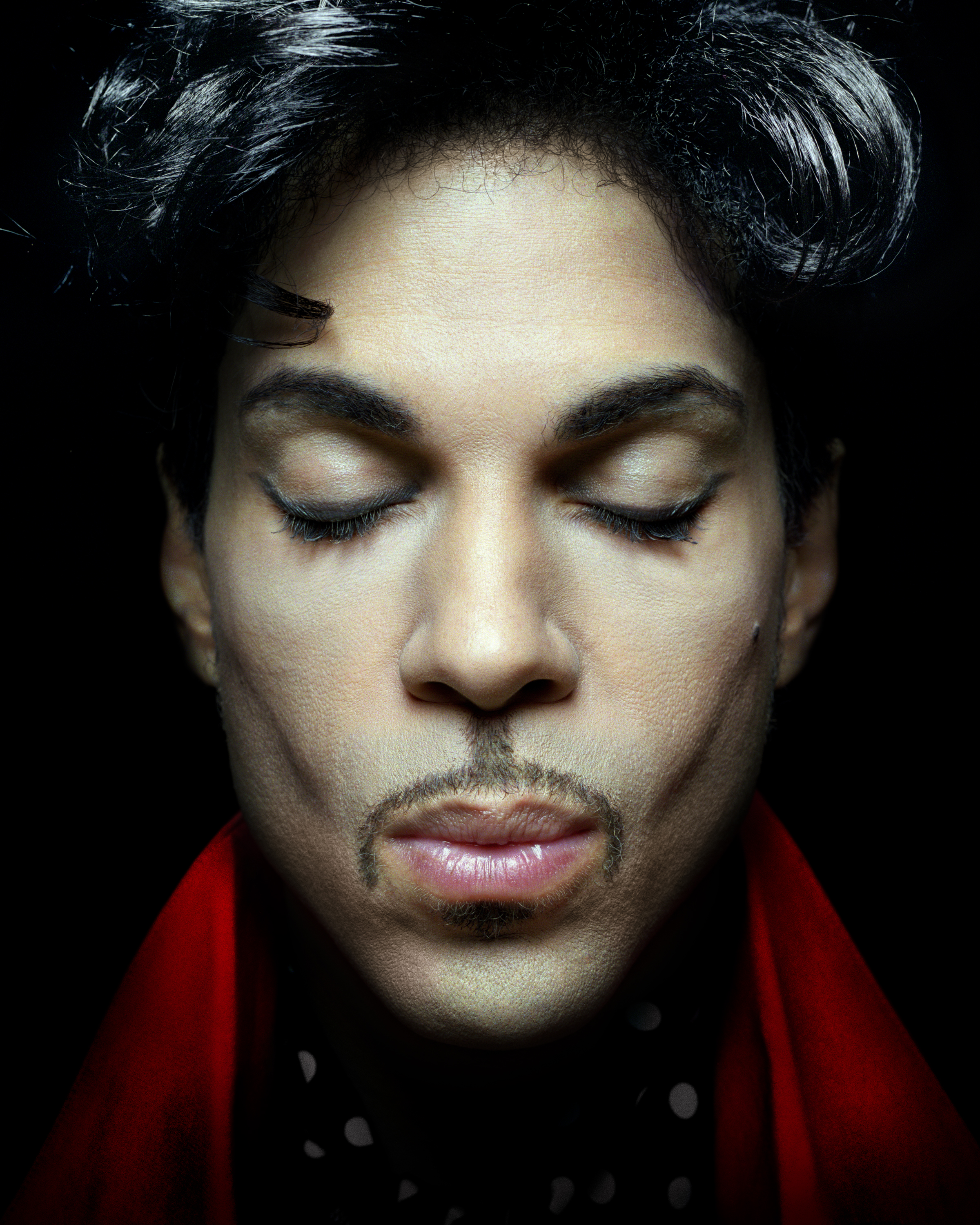
Prince
© Platon
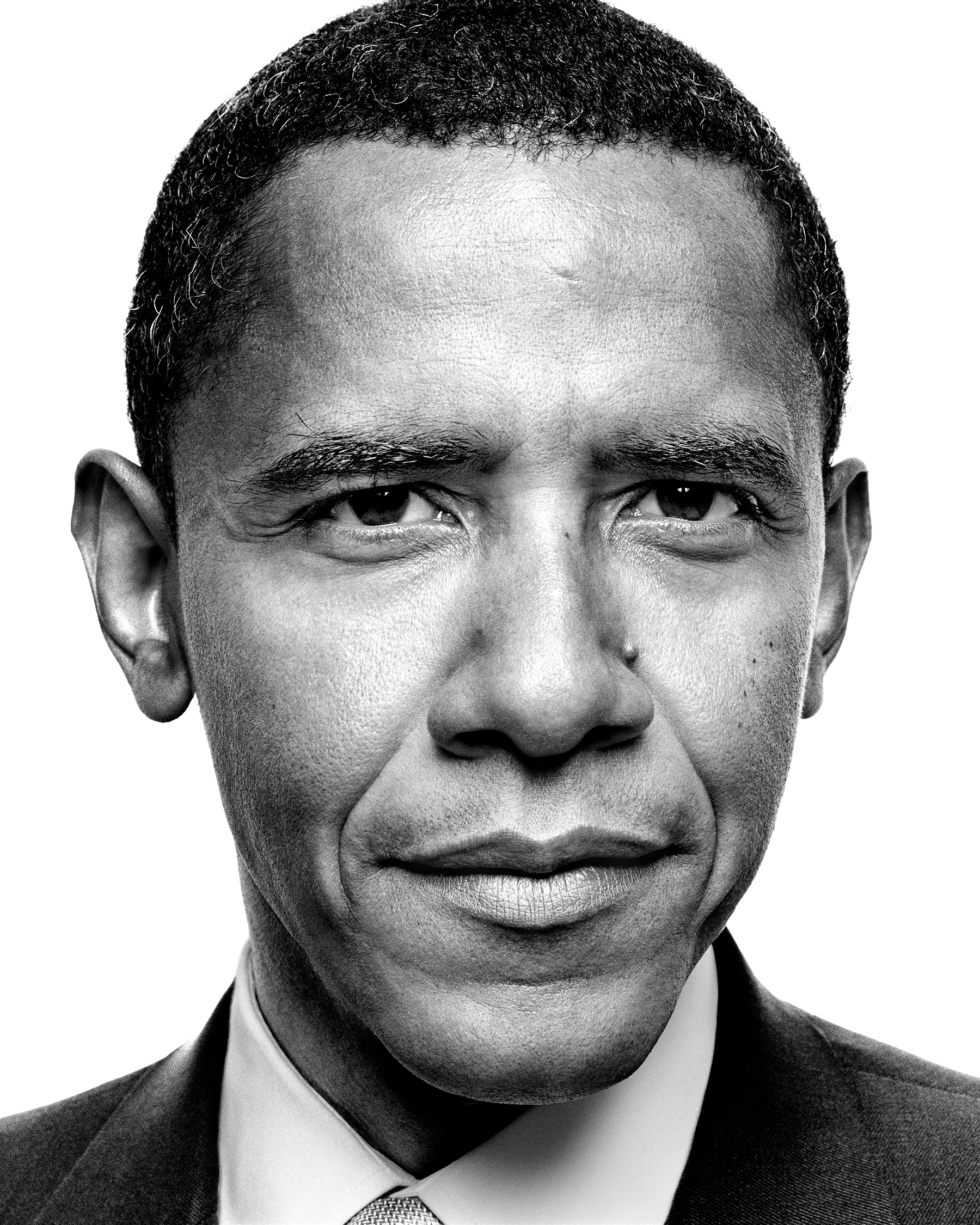
Barack Obama
© Platon
PLATON. PEOPLE POWER
31.05.–09.08.2026
ERÖFFNUNG
30.05.2026
Öffnungszeiten:
DI, MI, FR: 14–19 Uhr
DO: 14–21 Uhr
SA, SO, FEI: 11–19 Uhr
MO: geschlossen
PLATON. PEOPLE POWER
31.05.–09.08.2026
ERÖFFNUNG
30.05.2026
Öffnungszeiten:
DI, MI, FR: 14–19 Uhr
DO: 14–21 Uhr
SA, SO, FEI: 11–19 Uhr
MO: geschlossen